Slow Food & Clay Amphoras: The Alentejo Wine Awakening
A journey through cork forests and clay cellars where Roman-era vinification meets modern ecological consciousness.
The silence of the Portuguese Alentejo in midday October is heavier than in most parts of the continent. Across rolling fields dotted with cork oaks (sobreiros) and ancient olive groves, the only sound is the occasional dry rattle of wind through dried wild fennel. Here, two hours southeast of Lisbon, time decelerates to the pace of natural percolation.
Vinho de Talha: Relearning Patience
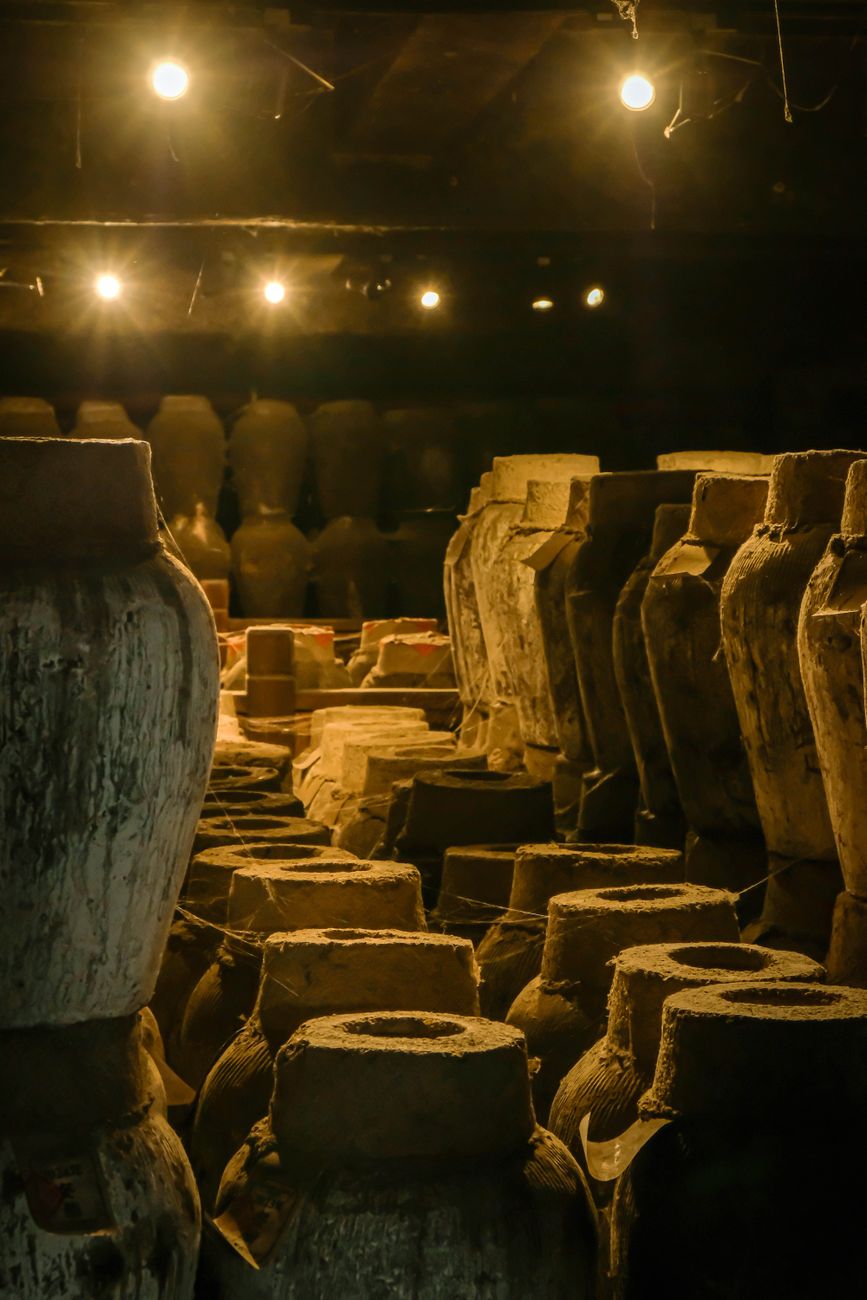
In the small village of Vila de Frades, winemakers still adhere to a technique virtually unaltered since Roman legionnaires occupied Lusitania. Large porous clay vessels, known as talhas, line the dimly lit adobe cellars. Grapes are harvested by hand, crushed gently, and deposited whole into the clay jars with no added commercial yeast, temperature controls, or stainless-steel jackets.
“Clay breathes in a way wood cannot. It does not mask the minerality of the schist soils; it merely cradles the fruit until it is ready.”
The result is an amber-tinted white wine with textures reminiscent of dried apricots, honeycomb, and wet gravel. Paired with crusty sourdough bread dipped in peppery green olive oil and aged sheep's milk cheese, the meal feels less like consumption and more like communion with the earth.
Boutique Stays & Architectural Simplicity
For visitors seeking immersion, former working farmsteads (montados) have quietly transformed into low-profile design retreats. Whitewashed facades reflect the harsh sunlight, while polished concrete floors and linen draperies maintain cool interiors. Nights reveal an unpolluted night sky recognized worldwide for stargazing.
Curator's Field Notes
- Best Season: September to November for harvest activity and mild walking weather.
- Getting Around: Slow drives along secondary roads (N2 and N256) reveal untracked hamlets.
- Local Etiquette: Always greet shopkeepers upon entering with a warm “Bom dia”.